PVC or aluminium windows can last 20-30 years, but that doesn't mean they perform as well throughout that whole time as they did on installation day. Some signs of wear can be fixed with adjustment or a new seal; others mean the window has genuinely lost its performance and replacement will be more cost-effective than another repair. Here are 7 signs worth watching for.
1. A noticeable draft even with the window closed
If you feel air movement with the window closed - hold your hand close to the frame - it's a sign the seals have lost their elasticity, or the hardware no longer presses the sash evenly. Sometimes adjustment and reseal help, but if the profile is already well worn (typically after 15-20 years), the fix tends to be only temporary.
2. Fogging or misting between the panes
This is one of the clearest signs. If fog or water droplets appear between the panes of the glazing unit (not on the inner surface of a single pane), it means the hermetic spacer bar has failed - the gas or air filling the space between the panes has escaped, and moisture has gotten in. This can't be repaired - the only fix is replacing the glazing unit or the whole window.
3. The sash is hard to close, or the handle feels stiff
A sagging sash, a handle you have to force to lock the window - that's usually a hardware issue that can be adjusted (see our article on window adjustment). But if adjustment stops helping and the problem comes back within a few months, it's a sign the hardware itself, or the profile, is worn out.
4. Visible warping or discolouration of the profile
Yellowing, dullness or visible micro-cracks on the surface of a PVC profile - especially on the sun-facing side - are the result of the material ageing under UV exposure. At that point the profile loses not just its looks but partly its structural rigidity too.
5. High heating bills despite tightly closed windows
If the house is well insulated but heating bills keep rising season after season, old windows with a low Uw coefficient could be one of the main sources of heat loss. We explained how to work that out in our article on the Uw coefficient.
6. Outside noise that wasn't there before
A drop in acoustic insulation usually comes from the same mechanisms as lost thermal airtightness - worn seals, play in the hardware. If you live on a busy street and notice outside noise is louder than it was a few years ago, that's a good reason to check your windows' condition.
7. Windows over 20-25 years old that have never been replaced
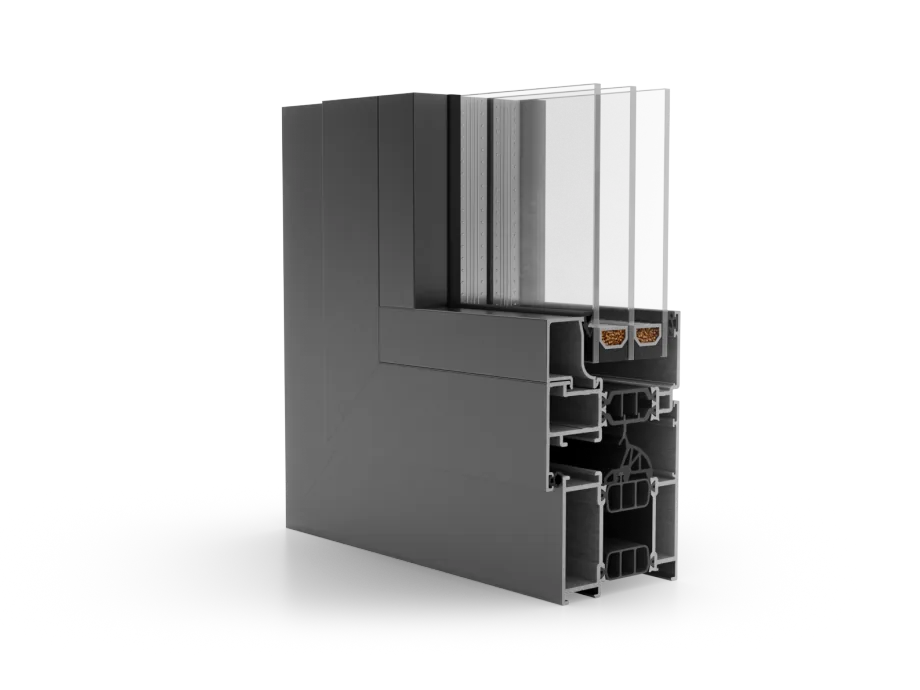
Even without obvious symptoms, windows from 20-25 years ago (especially first-generation PVC from the 1990s and early 2000s) usually have far worse thermal performance than today's 5-7 chamber systems. Age alone, even without a failure, is reason enough to consider replacement - especially alongside a renovation or thermal upgrade.
What to do if you recognise several of these signs
A single symptom (e.g. a stiff handle) is often enough to fix with adjustment. But if you recognise 3 or more of the above signs at once, repairing individual hardware or seals will probably just delay the inevitable replacement - and end up costing more per year of use than simply installing new, better-performing windows now.
Not sure whether your windows qualify for replacement or just need adjustment? Book a free measurement and consultation - we'll assess the windows on site and give you an honest answer on whether they're still worth repairing.
Have a question about choosing windows? Call us, free advice.
📞 697 140 784